

Shalimar is a beloved golf course and meeting place, and it is also one of the largest remaining green spaces in Tempe. Shalimar is a home to trees, birds, foxes, ducks, and fish–along with the whole ecosystem around them. As people who benefit from Shalimar as a green space, we are motivated to protect and preserve it for all of Tempe and for generations coming up.



If you would like to volunteer on the Green Space team, sign up here! The focus of our work is researching, documenting, and communicating about the following areas of concerns:
Soil
What soil types are present and what is the history of the soil on this land? Was there agriculture on this land previously? Has the site been filled or backfilled previously? Are there burial or remains present? Are there toxic conditions beneath the soil?
Air
What will change in the air quality for the area before, during, and after construction? How will reduced green space impact air quality?
Water
What would the water use and consumption be for the development? How much new drinking water is required, different from water used for the golf course? What is the annual water usage for the course and how would an improved course impact water usage? What changes to drainage and run-off when this is not open ground? What is the 100-year storm flow and what is the existing capacity for controlling that water? What becomes of the development’s waste materials, chemicals, oils that enter the sub
surface soils/aquifer? What existing drainage patterns exist and how will wildlife and trees be impacted? Is the existing pond from a groundwater source, and what happens to it in the development?
Vegetation
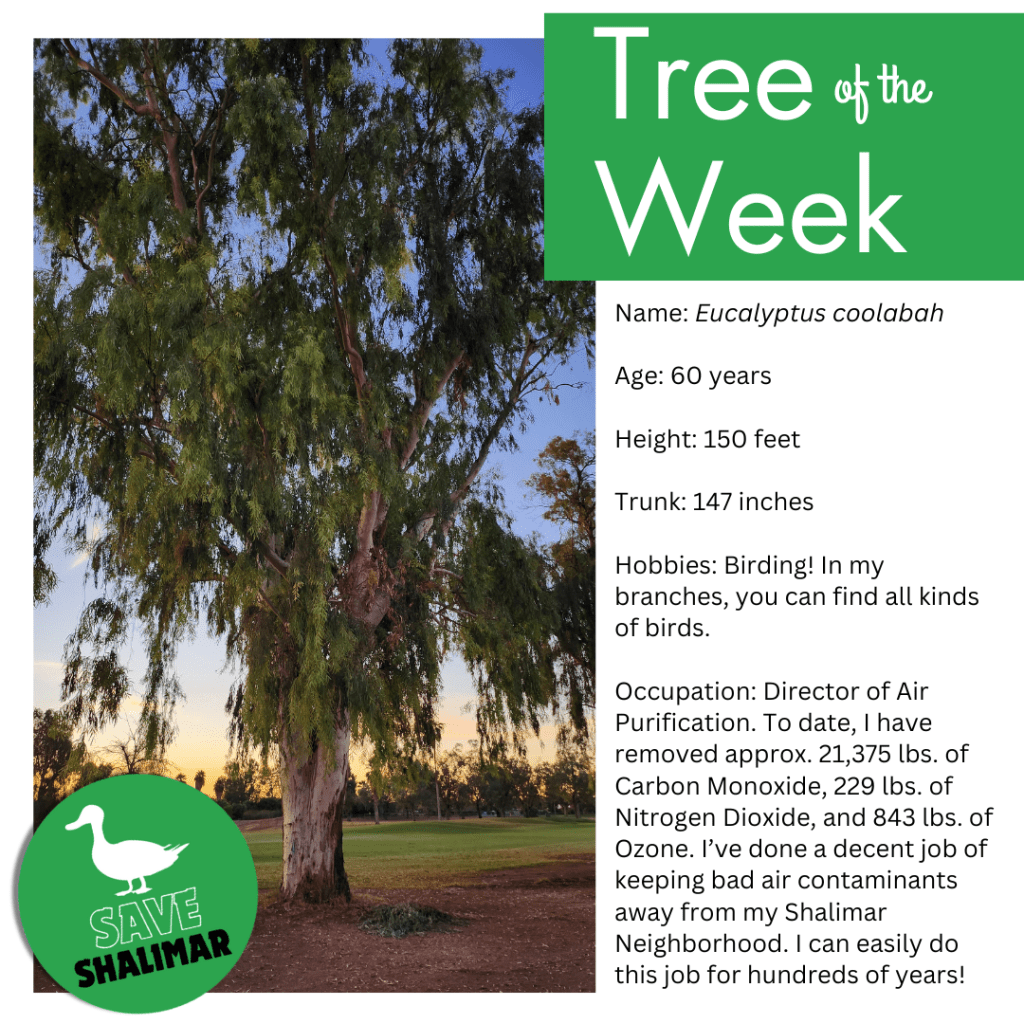
How many trees are present, what species, and how do they contribute to the air quality, temperature, and as wildlife environs? How can we get Shalimar trees included in the Tempe Trees urban tree inventory?
Animals
How can we identify and protect the birds and animals that call Shalimar home?
Recreation
How will losing the golf course impact the health and wellness of the children and adults who use this recreation amenity? How does the loss of green space affect the wellbeing in the neighborhood overall?
Historic Preservation
At least three existing home in Shalimar have historic significance based on either the architect or owner. For example, the legendary Carl Hayden purchased one of the first Shalimar townhomes and lived there to the end of his life. As a mid-century modern planned lifestyle development, Shalimar itself represents an important moment in architecture, urban planning, and design history.
Energy
What is the energy use per square footage of the golf course compare to the proposed development? What utility infrastructure is required?
Emergency Services
How will Tempe fire and rescue access homes during and after construction? What will it cost the city to add that many new people and conditions?
Transportation
What road and public transportation infrastructure is required and who will pay for that? How would more density change traffic around the high school, middle, and elementary schools?
Noise & Safety
Shalimar is a notably quiet and safe neighborhood. How would a high-density residential development preserve this character of the neighborhood?
Timing
How long will the proposed development project take to complete? A prolonged build out will negatively impact the environment in a number of ways.
 Save Shalimar